
Basement Finishing Ideas That Add Living Space
2026-09-09
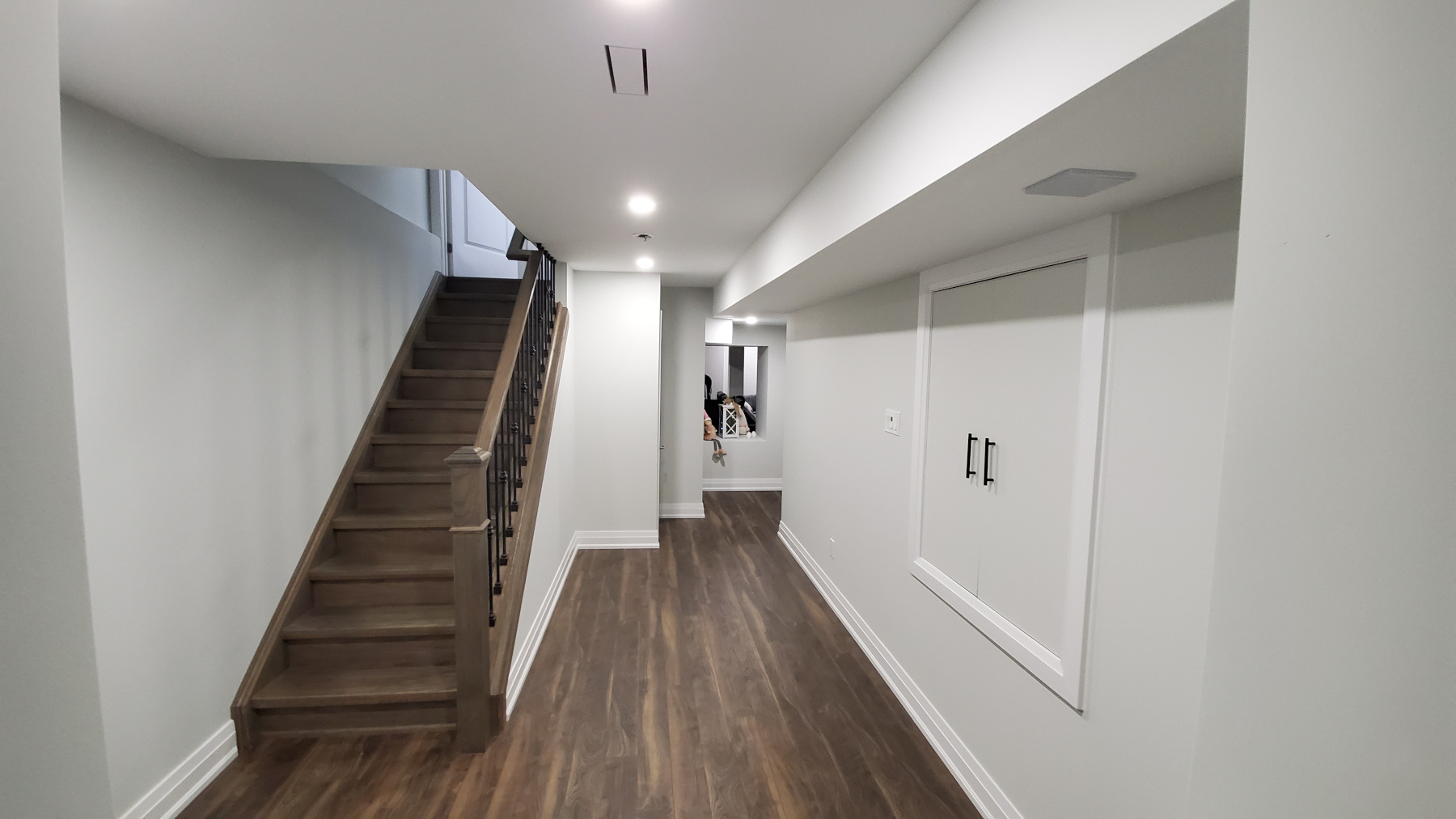
Whether you need a family room, home office, guest space, or a place for entertaining, finishing your basement can be a practical way to expand your home without building an addition. The key is designing the space around how your household actually lives.
Here are some basement finishing ideas that can help you make the most of the space below your home.
1. Create a Comfortable Family Room
One of the most popular uses for a finished basement is a second family room. Basements can provide plenty of space for a large sectional, television, entertainment center, and even a game table without taking over your main living room.
Since basements typically have less natural light than the rest of the home, recessed lighting, light-colored walls, and durable flooring can help make the room feel brighter and more inviting.
A family room is also a flexible choice because the space can evolve as your family's needs change.
2. Build a Dedicated Home Office
Working from home has made dedicated office space increasingly valuable. A finished basement can provide a quieter workspace away from the activity in the kitchen and main living areas.
Consider adding built-in shelving, cabinets, plenty of electrical outlets, strong Wi-Fi coverage, and task lighting. If the basement will serve multiple purposes, walls or French doors can separate the office while still allowing light into the room.
Sound insulation in the walls and ceiling can also make a basement office more comfortable for phone calls and video meetings.
3. Add a Guest Room
If you frequently have overnight guests but don't have a spare bedroom upstairs, part of the basement may be able to serve as guest accommodations.
A well-designed guest area can include a sleeping space, closet or storage, sitting area, and nearby bathroom.
However, don't assume that simply placing a bed in a finished basement makes the space a legal bedroom. Building codes may require specific ceiling heights, emergency escape and rescue openings, ventilation, smoke and carbon monoxide alarms, and other safety features. Check applicable local requirements before planning a basement bedroom.
4. Add a Basement Bathroom
Adding a bathroom can significantly improve the convenience of a finished basement, particularly if you're creating a family room, guest suite, home gym, or entertainment area.
A basement bathroom might range from a simple powder room to a full bathroom with a shower.
Plumbing location is an important consideration. Positioning the bathroom near existing plumbing may help simplify the project, while some basements may require additional drainage solutions depending on the home's existing system.
5. Design a Home Theater or Media Room
The naturally darker environment of a basement can make it an excellent location for a home theater.
A large television or projector, comfortable seating, dimmable lighting, and built-in speakers can transform an otherwise unused portion of the basement into a dedicated movie and sports room.
Soundproofing the ceiling and walls can also help prevent movies, music, and Sunday football from being heard throughout the rest of the house.
6. Create a Game and Recreation Room
A basement can give kids and adults room to spread out without cluttering the main floor.
Depending on the available space, you could include a pool table, ping-pong table, dartboard, gaming area, board-game table, or children's play area.
If you're planning a multipurpose recreation room, an open floor plan can provide flexibility. Furniture can define individual zones without permanently dividing the basement into smaller rooms.
7. Build a Basement Bar or Entertaining Area
For homeowners who enjoy entertaining, a basement bar can become a natural gathering place.
You don't necessarily need a large custom bar. A compact wet bar with cabinets, countertop space, a beverage refrigerator, sink, and shelving can provide everything needed for entertaining while occupying relatively little floor space.
Add comfortable seating and a television, and the basement can become an ideal spot for parties, holidays, and game days.
8. Create a Home Gym
Instead of dedicating an upstairs bedroom to exercise equipment, consider creating a home gym in the basement.
Rubber or other resilient flooring can protect the finished floor and provide a more comfortable surface for exercising. Good lighting, mirrors, ventilation, electrical outlets, and space for equipment can turn even a relatively small portion of the basement into a functional workout area.
Make sure ceiling height and clearance are appropriate for the equipment and activities you plan to use.
9. Combine Several Uses in One Basement
You don't have to choose just one purpose.
A larger basement can be divided into several functional zones. For example, one side might contain a television and sectional while another includes a home office or children's play area. A small bar could occupy one corner, while storage remains hidden behind finished doors.
Planning these zones before construction begins can help ensure electrical outlets, lighting, walls, flooring, and plumbing are located where they're actually needed.
10. Don't Forget About Storage
One mistake homeowners sometimes make when finishing a basement is eliminating too much storage.
A finished basement should add usable living space without leaving you wondering where to put holiday decorations, tools, luggage, and household supplies.
Built-in cabinets, closets, shelving, and dedicated unfinished storage or utility areas can keep belongings organized without interfering with the finished portion of the basement.
Make the Basement Feel Like Part of the Home
The best finished basements don't feel like an afterthought.
Using finishes that complement the rest of your home can create a more cohesive appearance. Consistent trim, doors, flooring styles, wall colors, and lighting can help the basement feel like a natural extension of the upstairs living space.
Lighting is especially important. Because natural light may be limited, consider using several layers of lighting, including recessed ceiling lights, lamps, wall lighting, and task lighting where appropriate.
Address Moisture Before Finishing
Before installing drywall, flooring, or insulation, make sure the basement is dry.
Signs of water intrusion, foundation leaks, excessive humidity, mold, or drainage problems should be addressed before finishing begins. Covering an existing moisture problem with new walls and flooring can turn a relatively manageable issue into an expensive repair later.
Basement finishing materials should also be selected with the below-grade environment in mind.
Plan Around Mechanical Systems
Furnaces, water heaters, electrical panels, plumbing, ductwork, sump pumps, and other mechanical equipment often occupy basement space.
A good basement design incorporates these systems without restricting required access or creating an awkward layout. In some cases, soffits, utility rooms, closets, or strategically placed walls can conceal mechanical components while keeping them accessible for maintenance.
Does Finishing a Basement Add Value?
A finished basement can make a home more functional and appealing to potential buyers, but the financial return varies depending on the home, location, quality of construction, and how the finished area is configured.
Rather than designing solely around resale value, consider how much usable space the project will add to your family's everyday life. A basement that solves a real need—such as providing a home office, family room, bathroom, or recreation area—can deliver value long before it's time to sell.
Turn Unused Basement Space Into a Room You'll Actually Use
Finishing a basement can be one of the most effective ways to gain additional living space within your home's existing footprint. With thoughtful planning, an underused basement can become a comfortable family room, home office, guest area, gym, entertainment space—or a combination of several.
OPUS Contractor Group, LLC provides basement finishing and remodeling services for homeowners throughout Orange, Rockland, and Sullivan Counties and surrounding areas of New York. From framing, insulation, drywall, flooring, and lighting to complete basement transformations, we can help turn unfinished space into an attractive and functional part of your home.
Thinking about finishing your basement? Opus Contractor Group to discuss your basement remodeling ideas and explore what's possible with the space you already have.
